ABOUT BURUNDI

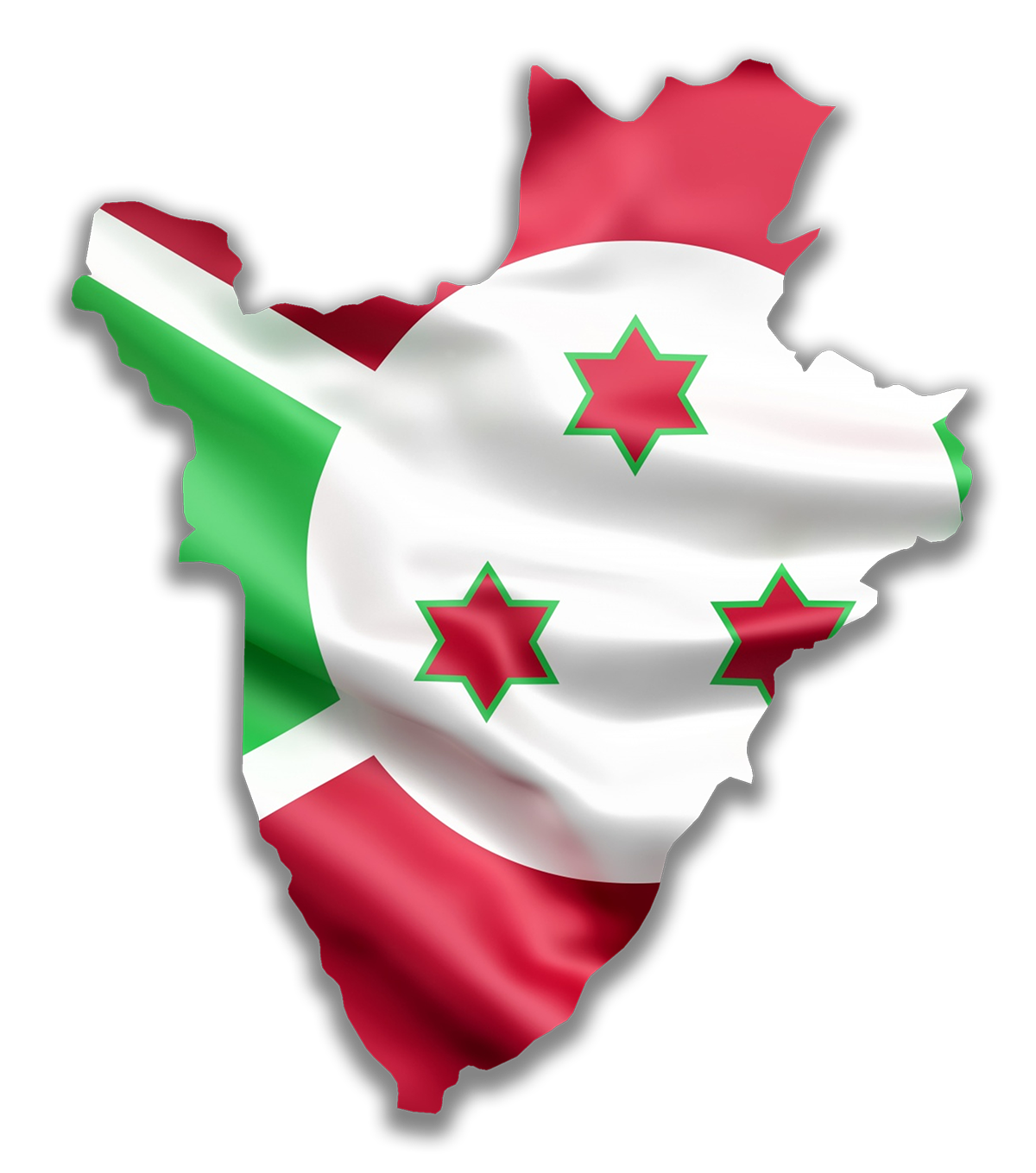
Burundi is a landlocked country located in East Africa, bordered by Rwanda to the north, Tanzania to the east and south, the Democratic Republic of the Congo to the west, and Lake Tanganyika to the southwest.

DEMOGRAPHICS

Burundi’s estimated population in 2025 is approximately 14.4 million inhabitants, representing about 0.17% of the world’s population.

The country’s official language is Kirundi, alongside French, English, and Swahili, which are widely spoken across different regions and sectors.


CULTURE

Burundian culture is deeply rooted in tradition, community values, and artistic expression. The country is internationally recognized for the Royal Drummers of Burundi, whose performances symbolize national identity and cultural heritage.

Traditional crafts such as basket weaving, pottery, sculpture, and textile art remain important aspects of Burundian cultural life.

Music, dance, storytelling, and poetry continue to play a central role in social and community gatherings throughout the country.
CLIMATE

Burundi enjoys a moderate tropical climate largely influenced by altitude. Temperatures are generally mild throughout the year, particularly in the central highlands.

The country experiences two main seasons:

  • A dry season from May to August

A rainy season during the remainder of the year

MINERAL RESOURCES

Burundi possesses valuable natural resources, including :


  • Nickel
  • Cobalt
  • Copper
  • Phosphate
  • Quartzite
  • Rare reserves of uranium and vanadium

These resources present strong opportunities for industrial development and investment.

BIODIVERSITY & NATURAL LANDSCAPES

Burundi is home to diverse ecosystems, including savannas, forests, lakes, and rivers. Lake Tanganyika, one of the deepest lakes in the world, represents a major natural and economic asset for the country.

MAIN RIVERS

Burundi’s principal rivers include :


  • Ruvubu River
  • Kagera River
  • Malagarazi River

These waterways play an important role in agriculture, biodiversity, and regional ecosystems.

CITIES

Burundi is divided into 5 provinces and 42 communes. It shares borders with Tanzania (451 km) to the East, the Democratic Republic of the Congo (233 km) to the West, and Rwanda (290 km) to the North.

OFFICIAL CURRENCY

CONTENT TO BE SUPPLIED

Copyright © Burundian Diaspora RoundTable 2026

EVENT MANAGED BY
RISE AND SHINE HOUSE